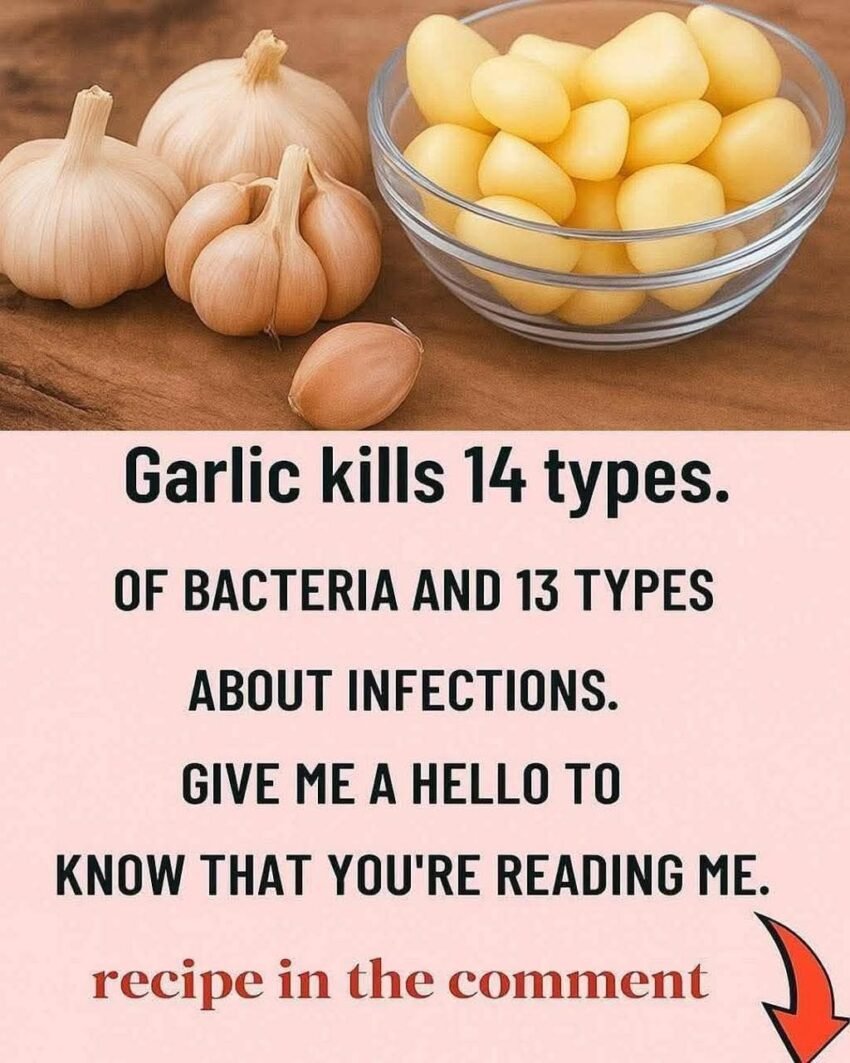
It sounds like you’re asking about garlic as a natural antibiotic — maybe phrased as “El Garlic: The Natural Antibiotic That Wages [War on Infections].” Here’s a clear overview:
🧄 Garlic: Natural Antibiotic Properties
Garlic (Allium sativum) contains allicin, a sulfur compound formed when fresh garlic is crushed or chopped. Allicin is responsible for garlic’s distinctive aroma and many of its health effects.
✅ Potential Benefits
-
Antimicrobial Activity
-
Laboratory studies show allicin can inhibit certain bacteria, fungi, and even some viruses.
-
Examples: E. coli, Salmonella, Candida (in test-tube studies).
-
-
Immune Support
-
Garlic may slightly reduce the frequency or severity of colds in small clinical trials.
-
-
Cardiovascular Support
-
Garlic can modestly lower blood pressure and improve cholesterol.
-
❌ Limitations
-
Garlic cannot replace prescription antibiotics for serious infections.
-
Lab results do not always translate to effective treatment in humans.
-
Not effective for severe bacterial infections, sepsis, or pneumonia.
🧄 How to Use Garlic Safely
-
Fresh garlic: Crush or chop and let sit 5–10 minutes to activate allicin.
-
Daily intake: 1–2 cloves in food is common.
-
Supplements: Follow manufacturer instructions.
⚠️ Safety note: Avoid very high doses if taking blood thinners or before surgery; topical garlic can irritate skin.
💡 Bottom Line
Garlic supports health and has mild antimicrobial effects, but it is not a cure. Think of it as a helper for your immune system rather than a replacement for antibiotics.
If you want, I can also explain how to use garlic as part of your daily diet for maximum “antibiotic” effect — the science-backed way.