Absolutely! Here’s a clear, thorough explanation:
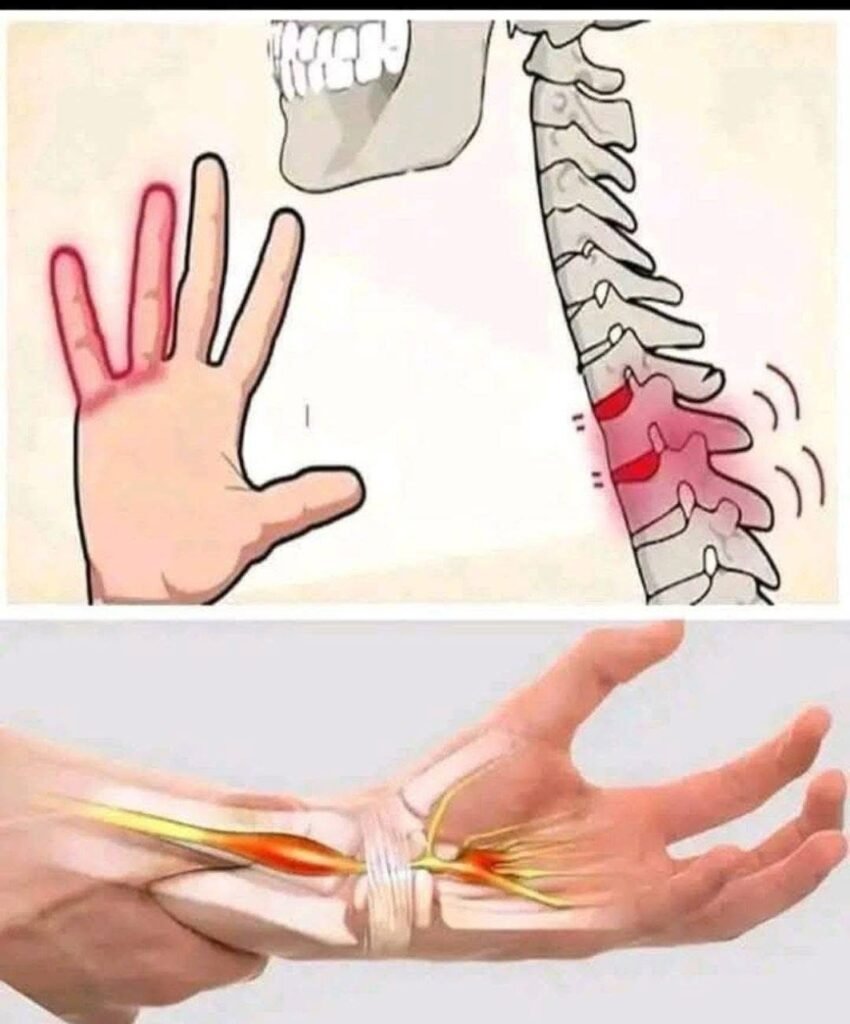
Tingling Sensation: What Is Paresthesia?
Have you ever experienced a tingling, prickling, or “pins and needles” sensation in your hands, feet, or limbs? That sensation has a medical name: paresthesia.
It can be temporary, harmless, or sometimes a sign of an underlying condition, so it’s worth understanding.
What Is Paresthesia?
Paresthesia is the sensation of tingling, numbness, burning, or prickling on the skin without an obvious external cause.
Common examples:
-
Your foot “falls asleep” after sitting cross-legged
-
Fingers tingle after resting your arm awkwardly
It happens because nerves are being irritated, compressed, or disrupted, sending unusual signals to your brain.
Common Causes of Paresthesia
-
Temporary / benign causes
-
Sitting or sleeping in one position for too long
-
Pressure on a nerve (e.g., leaning on your arm)
-
Wearing tight shoes or clothing
-
-
Medical conditions
-
Peripheral neuropathy (often from diabetes or vitamin deficiencies)
-
Carpal tunnel syndrome (wrist nerve compression)
-
Multiple sclerosis (nervous system disorder)
-
Circulatory problems (reduced blood flow to limbs)
-
-
Lifestyle-related triggers
-
Vitamin B12 deficiency
-
Excess alcohol
-
Repetitive strain or poor posture
-
Symptoms That Accompany Paresthesia
-
Tingling or prickling (“pins and needles”)
-
Numbness or reduced sensation
-
Burning or itching sensation
-
Weakness or clumsiness in affected limb (if nerves are compressed)
Warning signs to see a doctor immediately:
-
Sudden or severe numbness
-
Tingling after a stroke or injury
-
Weakness or loss of coordination
-
Paresthesia that doesn’t go away
How Paresthesia Is Diagnosed
Doctors may use:
-
Physical examination and reflex tests
-
Blood tests (vitamins, blood sugar, etc.)
-
Imaging (MRI, CT, or ultrasound)
-
Nerve conduction studies
Managing Paresthesia
For temporary cases:
-
Change position or remove pressure on nerves
-
Gentle stretching or massage
-
Avoid tight clothing or footwear
For chronic or medical causes:
-
Treat underlying condition (e.g., manage diabetes, correct vitamin deficiency)
-
Physical therapy or exercises to improve nerve function
-
Medication in certain cases to reduce nerve irritation
Bottom Line
Paresthesia is your body’s way of saying: “Hey, pay attention to your nerves!”
-
Temporary tingling is usually harmless.
-
Persistent, recurring, or painful tingling should be evaluated.
With early attention, most causes of paresthesia can be treated or managed effectively.
If you want, I can make a super simple visual “quick guide” for paresthesia that explains causes, symptoms, and remedies in one glance—it’s great for social media or patient education.