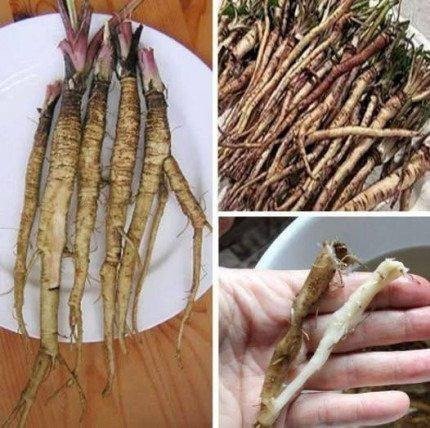
Skirret is an old-fashioned root vegetable once prized in medieval Europe and now enjoying a quiet comeback among gardeners and chefs.
What Is Skirret?
-
Scientific name: Sium sisarum
-
Family: Apiaceae (carrot & parsley family)
-
Type: Perennial root vegetable
-
Origin: China → spread to Europe centuries ago
It produces clusters of slender, creamy-white roots with a naturally sweet, nutty flavor.
Flavor & Culinary Use
-
Taste: Sweet, earthy, slightly parsnip-like
-
Texture: Tender when cooked
Best ways to eat skirret
-
Boiled or steamed with butter
-
Roasted like carrots or parsnips
-
Added to soups and stews
-
Historically used in pies and puddings
Skirret becomes sweeter after cooking, unlike many roots.
Nutritional & Traditional Benefits
Historically valued for being:
-
Energy-rich (natural carbohydrates)
-
Gentle on digestion
-
Warming and nourishing in winter diets
While not widely studied today, it was once considered both food and tonic.
How the Plant Grows
-
Height: 3–5 feet (1–1.5 m)
-
Leaves: Finely divided, celery-like
-
Flowers: Small white umbels (like carrots)
-
Roots: Grown in clusters, not single taproots
Growing Skirret at Home
Conditions
-
Sun: Full sun to partial shade
-
Soil: Deep, fertile, moisture-retentive
-
Water: Regular watering (likes damp soil)
Planting
-
Grown from seed or root divisions
-
Slow to establish but long-lived
-
Harvest after 1 full growing season
Harvest tip: Dig carefully—roots are delicate.
Why Skirret Fell Out of Favor
-
Roots are smaller and harder to clean than modern vegetables
-
Irregular shapes made commercial farming difficult
-
Replaced by carrots and parsnips
Why Grow Skirret Today?
-
Rare and heirloom vegetable
-
Excellent for permaculture gardens
-
Unique flavor not found in modern crops
-
Historically fascinating plant
If you’d like, I can also help with:
-
Step-by-step growing guide
-
Cooking recipes for skirret
-
Skirret vs parsnip comparison
-
Where to buy seeds or plants