Got you 🌿 — keeping herbs fresh and nutritious is all about the right method for the right herb. Here’s a clean, practical guide you can actually use.
First rule (don’t skip this)
-
Harvest or buy fresh, healthy herbs
-
Remove damaged leaves
-
Wash gently, then dry thoroughly (water = mold later)
Best ways to preserve herbs long-term
🌬️ 1. Air-drying (best for hardy herbs)
Great for: rosemary, thyme, oregano, sage, bay leaf
How:
-
Tie small bundles
-
Hang upside down in a warm, dark, well-ventilated place
-
Ready in 1–3 weeks when they crumble easily
Why it works:
Low moisture herbs keep flavor and antioxidants well.
🌿 2. Dehydrator or oven drying (fast + controlled)
Best if you live in humid areas
-
Dehydrator: 95–115°F (35–46°C)
-
Oven: lowest setting, door cracked open
Stop as soon as leaves are brittle — overheating kills aroma and nutrients.
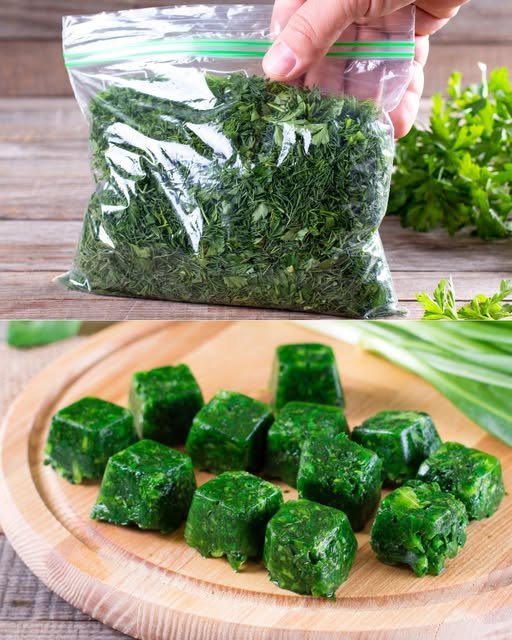
❄️ 3. Freezing (BEST for “fresh” flavor & nutrients)
Great for: basil, parsley, cilantro, dill, mint
Two easy methods:
-
Flat freeze: chop → spread → freeze → store
-
Ice cube method: chop → add water or olive oil → freeze
Freezing preserves vitamins better than drying for tender herbs.
🫙 4. Oil preservation (short–medium term)
Best for: basil, rosemary, thyme
-
Blend herbs with olive oil
-
Freeze in cubes (⚠️ don’t store at room temp)
-
Avoid garlic + oil at room temp (botulism risk)
🍶 5. Vinegar or alcohol tinctures
Best for medicinal or culinary extracts
-
Vinegar keeps minerals
-
Alcohol extracts active compounds
-
Store in dark glass, cool place
Storage tips (this part matters)
-
Use airtight glass jars
-
Store away from light, heat, and moisture
-
Label with name + date
-
Dried herbs stay potent ~1 year (sometimes longer)
How to know herbs are no longer “healthy”
-
Faded color
-
Weak smell
-
Musty or moldy odor (throw out immediately)
Quick cheat sheet
-
Woody herbs → dry
-
Soft herbs → freeze
-
Medicinal use → tincture
-
Best flavor → freeze or oil cubes
If you want, tell me:
-
which herbs you have 🌱
-
whether they’re for cooking or medicinal use