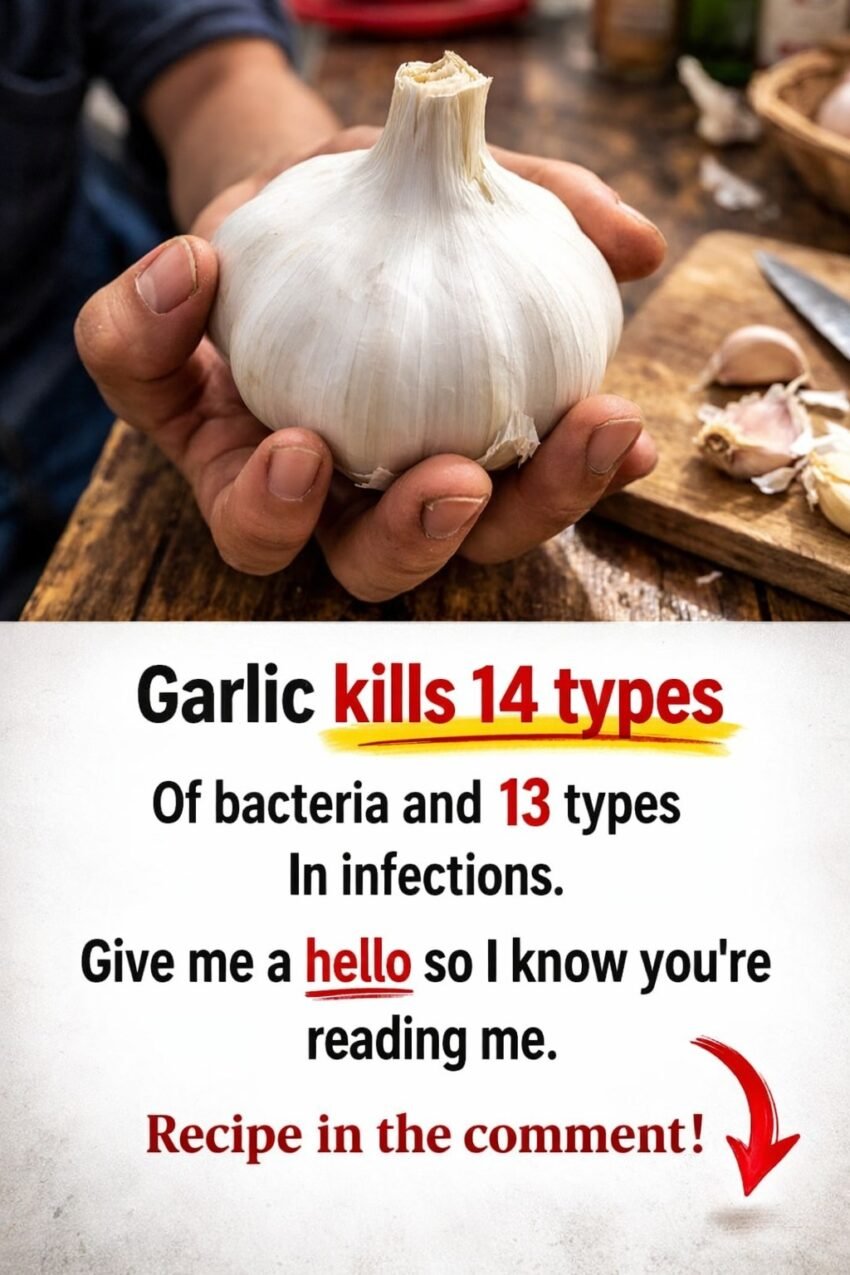
🧄 Garlic: What It Can (and Can’t) Do
Garlic (Allium sativum) contains a sulfur compound called allicin, which forms when fresh garlic is crushed or chopped. Allicin has shown antimicrobial effects in laboratory studies.
✅ What Research Suggests Garlic May Help With
1️⃣ Mild Bacterial Growth (in lab studies)
Allicin has been shown to inhibit certain bacteria in test tubes.
2️⃣ Fungal Infections
Some evidence suggests garlic may have activity against fungi like Candida (lab data mainly).
3️⃣ Immune Support
Small studies suggest garlic supplements may slightly reduce the frequency or duration of common colds.
4️⃣ Heart Health Benefits
Garlic may modestly:
-
Lower blood pressure
-
Improve cholesterol levels
Organizations like the National Center for Complementary and Integrative Health note garlic may have cardiovascular benefits, but evidence for treating infections is limited.
❌ What Garlic Does Not Do
-
It does not replace prescription antibiotics
-
It does not cure serious infections (like pneumonia, UTIs, sepsis)
-
It does not treat viral illnesses like the flu
Serious infections require medical treatment.
💊 How to Use Garlic Safely
If using fresh garlic for general wellness:
-
Crush or chop and let sit 5–10 minutes before cooking (helps activate allicin)
-
1–2 cloves daily is commonly used in food
If using supplements:
-
Follow label dosing
-
Check with your doctor if you take blood thinners (garlic can increase bleeding risk)
⚠️ Safety Warnings
Avoid high doses if you:
-
Take anticoagulants
-
Have upcoming surgery
-
Experience stomach irritation
Topical garlic can cause skin burns.
Bottom Line
Garlic has mild antimicrobial properties in laboratory studies, but it is not a substitute for medical antibiotics when you have a real infection. Think of it as a supportive food, not a cure.
If you’re dealing with a specific infection, tell me what symptoms you’re having and I can guide you on when to seek medical care.