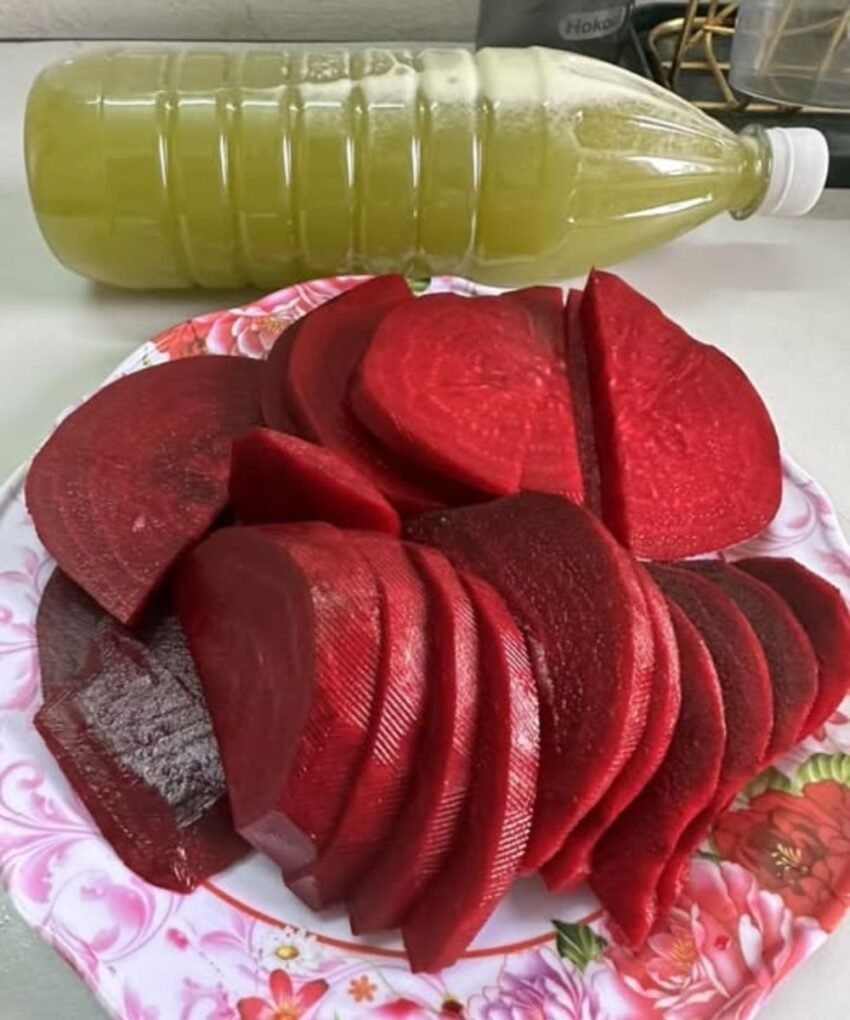
Beetroot – A Complete Guide 🌱❤️
Beetroot (also called beets) is a vibrant root vegetable prized for its earthy flavor, brilliant color, and health benefits. It can be eaten raw, roasted, boiled, or pickled.
1. Nutritional Benefits (per 1 cup cooked, 136 g)
-
Calories: ~60
-
Carbohydrates: 13 g
-
Fiber: 3–4 g
-
Protein: 2 g
-
Folate: 37% DV
-
Manganese: 22% DV
-
Potassium: 13% DV
Benefits:
-
Supports heart health (nitrates improve blood flow)
-
Rich in antioxidants (betalains)
-
Anti-inflammatory properties
-
Supports digestion (fiber-rich)
2. Selection Tips
-
Choose small to medium beets; they’re sweeter and tender.
-
Firm, smooth skin; avoid soft spots or cracks.
-
Leaves (beet greens) are edible—bright and crisp is best.
3. Storage
-
Refrigerate unwashed beets in a plastic bag for up to 2–3 weeks.
-
Beet greens: store separately, use within 2–3 days.
-
Can freeze after blanching or roasting.
4. Cooking Methods
1. Roasting:
-
Wash and trim, keep skin on.
-
Roast at 400°F (200°C) 40–50 minutes until tender.
-
Peel after cooking if desired.
2. Boiling:
-
Simmer beets whole 30–45 minutes.
-
Peel after cooling.
3. Steaming:
-
Steam 20–30 minutes until tender.
4. Pickling:
-
Cook, peel, and slice beets.
-
Soak in vinegar, sugar, salt, and optional spices.
5. Raw:
-
Grate into salads or smoothies.
5. Flavor Enhancers
-
Citrus (orange or lemon) brightens earthiness
-
Fresh herbs (dill, parsley, thyme)
-
Garlic, balsamic vinegar, or ginger
-
Nuts or cheese (goat cheese, feta) for texture
6. Serving Ideas
-
Roasted beet salad with greens
-
Pickled beet side dish
-
Beet hummus or dip
-
Smoothies or juices
-
Beet chips (thinly sliced and baked)
🌟 Pro Tips
-
Wear gloves when peeling to avoid staining hands
-
Don’t overcook—beets lose nutrients if too soft
-
Beet juice can stain clothing and surfaces—wipe spills immediately
If you want, I can also provide a list of 5 quick and delicious beet recipes, including roasted, pickled, and smoothie options.