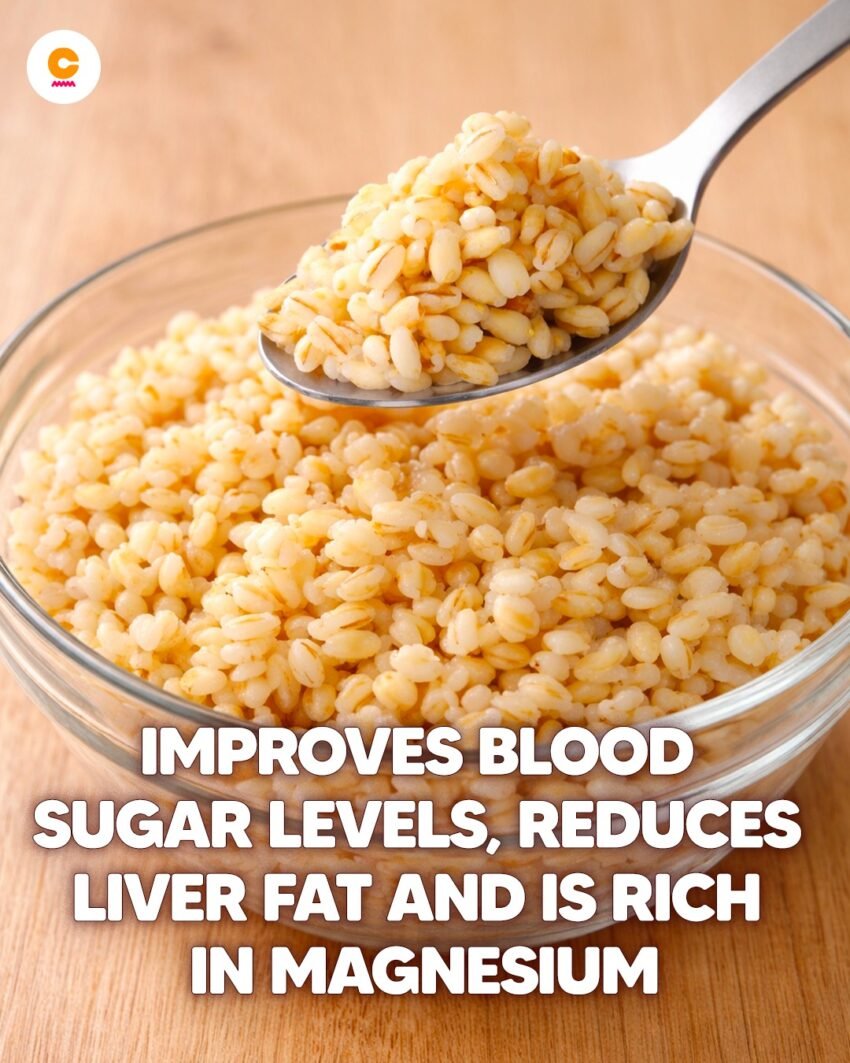
Here’s a clear, balanced look at barley’s benefits, properties, and the few cases where it’s not a great idea.
Barley’s Many Benefits
🌿 Excellent for heart health
-
Rich in beta-glucan fiber, which helps lower LDL (“bad”) cholesterol
-
Supports healthier blood pressure over time
-
Helps reduce cardiovascular risk when eaten regularly
🩸 Helps control blood sugar
-
Slows digestion and glucose absorption
-
Improves insulin sensitivity
-
Especially helpful for people with type 2 diabetes or prediabetes
💪 Great for digestion
-
High fiber content feeds beneficial gut bacteria
-
Helps prevent constipation
-
Supports overall gut health and regularity
⚖️ Supports weight management
-
Very filling → helps control appetite
-
Lower glycemic impact than refined grains
-
Makes meals more satisfying with fewer calories
🧠 Nutrient-dense grain
Barley provides:
-
B vitamins (energy + nervous system)
-
Magnesium, iron, phosphorus
-
Antioxidants that help fight inflammation
Key Properties
-
Whole grain (especially hulled barley)
-
Low glycemic index
-
Cholesterol-lowering
-
Prebiotic effects for gut health
-
Naturally low in fat and sugar
👉 Hulled barley = most nutritious
👉 Pearled barley = easier to cook, slightly less fiber
Possible Contraindications (Important)
🚫 Not gluten-free
Barley contains gluten.
Avoid if you have:
-
Celiac disease
-
Non-celiac gluten sensitivity
Even small amounts can trigger symptoms.
🤢 Digestive sensitivity (for some people)
Because it’s high in fiber, barley may cause:
-
Bloating
-
Gas
-
Discomfort
Tip: Introduce slowly and drink enough water.
💊 Medication interactions (rare but possible)
-
High fiber may slightly affect absorption of some medications
-
Best to separate barley-rich meals from medications by 1–2 hours if advised by a doctor
Best Ways to Eat Barley 🍽️
-
Soups and stews
-
Salads (great alternative to rice or pasta)
-
Breakfast porridge
-
Added to vegetables or legumes for protein balance
Bottom line
🌾 Barley is a heart-healthy, blood-sugar-friendly, gut-loving grain that fits beautifully into a balanced diet—as long as gluten isn’t an issue.
If you want, I can suggest easy recipes, compare barley to oats or quinoa, or help you choose the best type for your health goals.