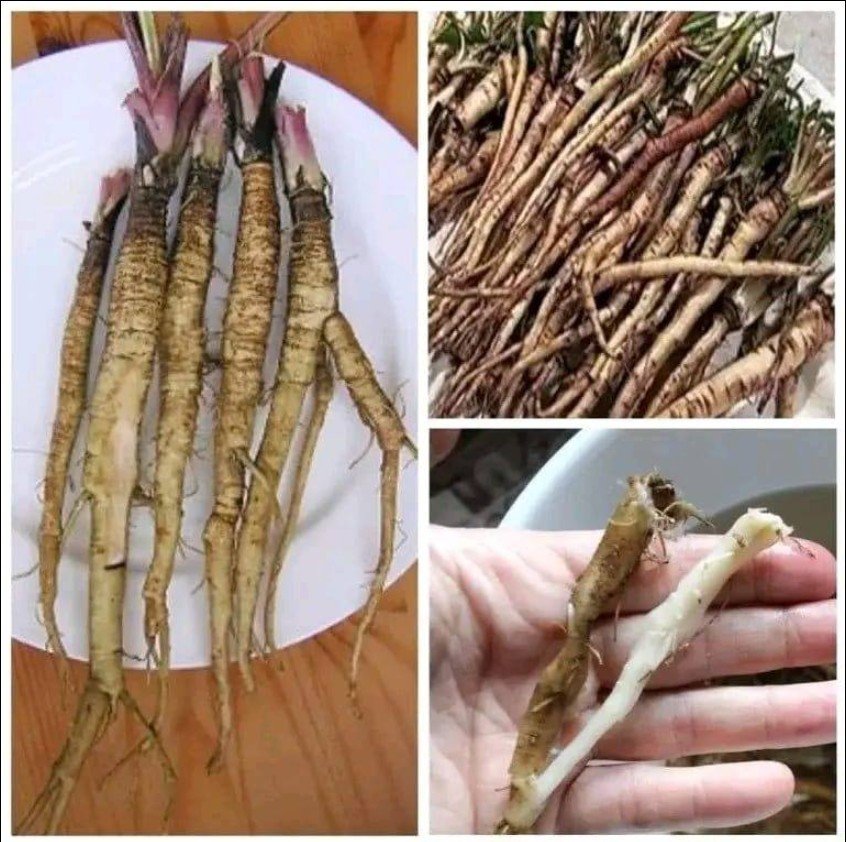
🌿 What the Viral Claim Is Saying
Many posts on social media show a picture of cloves in water or of common herbs and assert things like:
-
“This plant kills all cancer cells in 48 hours.”
-
“It’s more effective than chemotherapy.”
However, fact‑checkers have found no credible scientific evidence to support these statements. There is no plant or simple plant drink proven to cure cancer in humans within 48 hours or to be 100 × more effective than chemotherapy.
🔬 What Lab Research Actually Shows
Some plant extracts have shown potential anticancer activity in laboratory studies — but this is very different from a cure in people:
⭐ Dandelion Root Extract (DRE)
-
Lab studies showed that dandelion root extract can trigger programmed cell death in certain cancer cells (e.g., colon cancer cells) in a Petri dish within about 48 hours while sparing healthy cells.
-
In mice, oral DRE reduced the growth of implanted human colon tumors by over 90%.
-
These results are early pre‑clinical findings, and researchers emphasize that what happens in lab dishes or animals doesn’t automatically happen in humans.
🌱 Other Plant‑Derived Compounds
-
Many plant extracts contain compounds with anticancer properties in lab or experimental settings — e.g., flavonoids, alkaloids, polyphenols — that can slow cancer cell growth or trigger cell death in test conditions.
-
Research is ongoing into traditional medicinal plants and phytochemicals with anticancer activity, but none are proven cures.
⚠️ Important Reality Check
➡️ Lab studies are not the same as proven human treatments.
Researchers often begin screening plant compounds for activity in cell cultures or animal models — but that’s only the first step in a very long process that typically takes years of rigorous clinical trials before a treatment is proven safe and effective in people.
➡️ No plant or herbal tea is a scientifically validated cure for cancer.
Relying on unproven remedies instead of professional medical care can delay effective treatment and worsen outcomes.
🧠 Bottom Line
Herbs and plant extracts can contain interesting bioactive compounds with potential anticancer effects in preliminary research — but news headlines claiming that a plant destroys cancer cells in 48 hours or is dramatically better than chemotherapy are not scientifically supported. Cancer treatment decisions should always involve qualified healthcare professionals.
If you want, I can explain which plant‑derived compounds are actually being studied in clinical research for cancer and the science behind how they work.