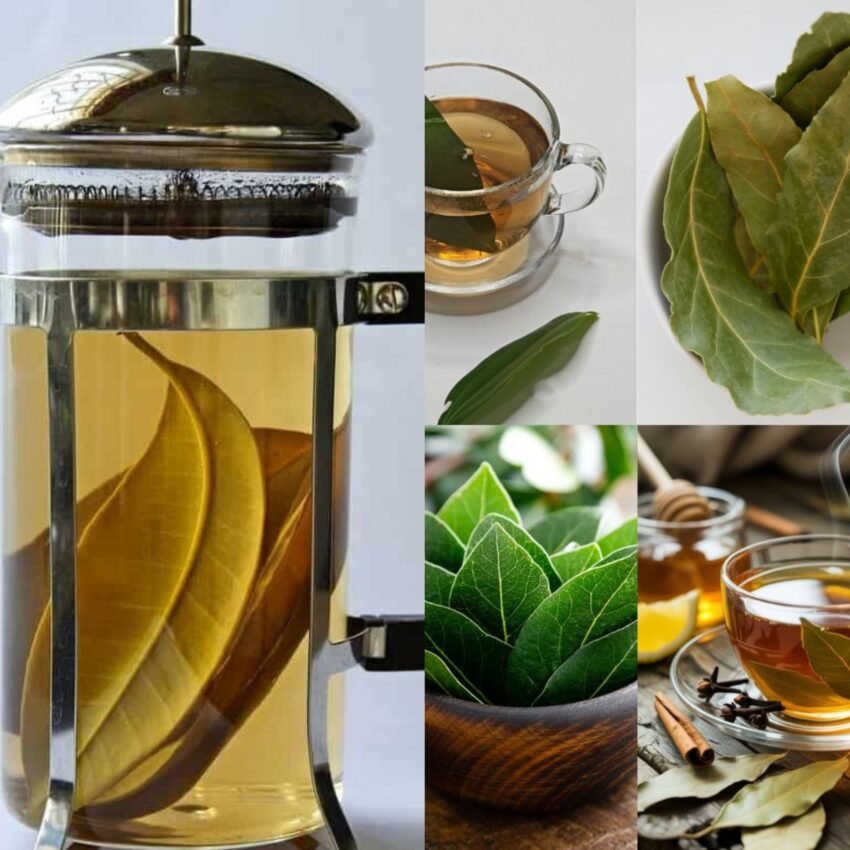
🌿 What it may do
-
Aids digestion
Can help reduce bloating, gas, and mild stomach discomfort by stimulating digestive enzymes. -
Mild anti‑inflammatory effect
Bay leaves contain compounds (like eugenol) that may help calm low‑grade inflammation. -
May help with blood sugar control
Some small studies suggest bay leaf compounds can improve insulin sensitivity slightly—this is supportive, not a replacement for meds. -
Gentle diuretic
You might pee a bit more. That’s normal—it can reduce mild water retention. -
Calming, cozy vibes
Warm herbal teas can relax the nervous system, and bay leaf has a subtle soothing aroma 😌 -
Antioxidants
Helps the body fight oxidative stress (think general cellular support, not magic detox).
⚠️ What it won’t do
-
❌ It won’t “detox” your liver or melt fat overnight
-
❌ It won’t cure diabetes, infections, or chronic disease
-
❌ It’s not a miracle weight‑loss drink (despite TikTok claims)
🚨 Important safety notes
-
Don’t eat the whole leaf – Bay leaves stay sharp and can irritate or choke. Strain them out.
-
Use culinary bay leaves only – Not ornamental or other species.
-
Pregnant or on meds? Best to skip or check with a doctor.
-
Moderation matters – 1 cup occasionally is fine; chugging it daily isn’t necessary.
☕ How people usually make it
-
1–2 dried bay leaves
-
Boil in water for ~5–10 minutes
-
Strain well before drinking
Bottom line:
Bay leaf tea is a gentle, old‑school herbal drink—nice for digestion and relaxation, safe in moderation, but not a cure‑all.
If you want, I can tell you who should avoid it, how often is reasonable, or how it compares to other herbal teas 🌱