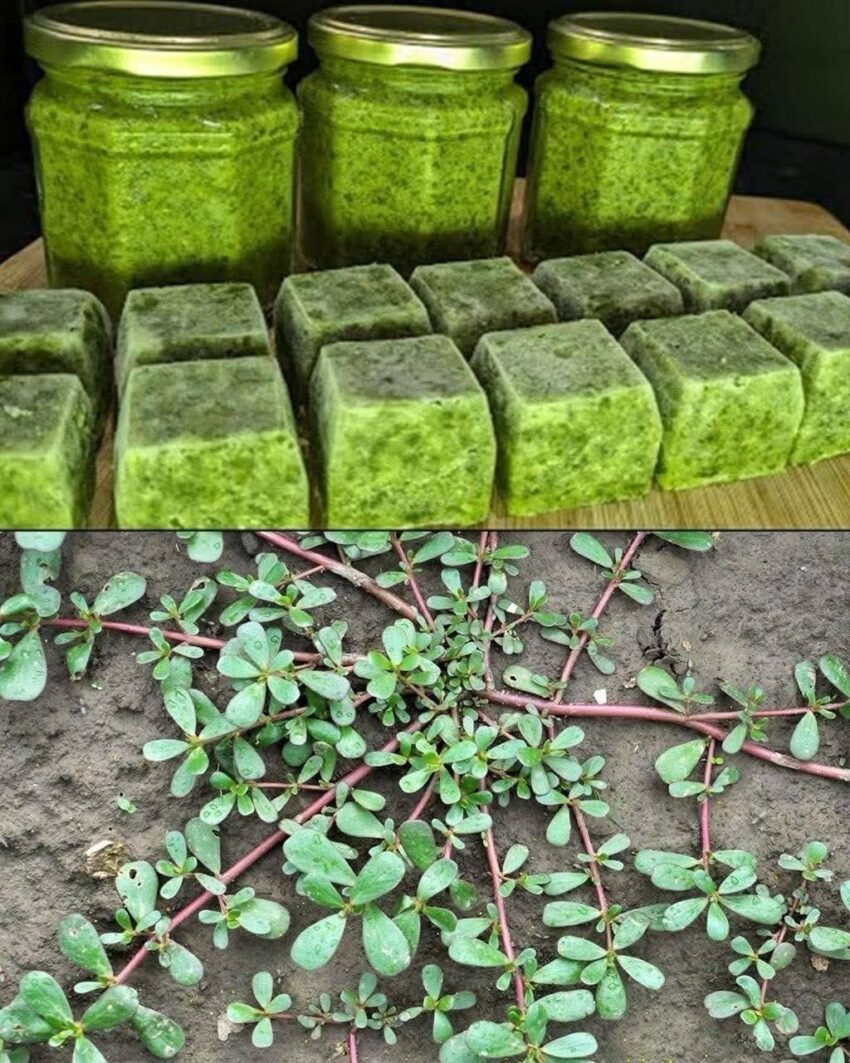
Purslane is one of those quiet super-greens that people over 60 often overlook—and that’s a shame, because it lines up beautifully with what the body needs as we age 🌿
Here’s what may happen when you eat purslane regularly, especially after 60—kept realistic, not hypey.
🌱 First: What Is Purslane?
Purslane (Portulaca oleracea) is a leafy green with a slightly lemony, crunchy bite. It’s eaten raw or cooked in many traditional diets around the world.
What makes it special:
-
Exceptionally high in plant-based omega-3s
-
Rich in magnesium, potassium, calcium
-
Loaded with antioxidants
❤️ 1. Heart & Circulation Support
After 60, arteries naturally stiffen a bit. Purslane may help by:
-
Supporting artery flexibility (omega-3s)
-
Helping maintain healthy blood pressure (potassium, magnesium)
-
Reducing oxidative stress that affects blood vessels
Many people notice better circulation and less “cold hands and feet” over time.
🦴 2. Bone & Muscle Support
Purslane provides:
-
Calcium + magnesium → bone strength
-
Vitamin K → helps calcium go where it belongs
-
Potassium → supports muscle function and reduces cramps
This combination is especially useful when bone density naturally declines with age.
🧠 3. Brain & Memory Support
The omega-3 fatty acids in purslane support:
-
Brain cell membranes
-
Focus and mental clarity
-
Healthy aging of the nervous system
It’s one of the few leafy greens that meaningfully contributes omega-3s.
🦵 4. Joint Comfort & Inflammation Balance
Daily low-grade inflammation increases after 60. Purslane’s:
-
Omega-3s
-
Flavonoids
-
Vitamin C
may help support joint comfort and mobility, especially when paired with regular movement.
🍬 5. Blood Sugar & Metabolic Support
Purslane is:
-
Low glycemic
-
High in fiber
-
Nutrient-dense without spiking sugar
This may help:
-
Smooth blood sugar swings
-
Reduce energy crashes
-
Support metabolic health over time
💧 6. Hydration & Digestion
Purslane is:
-
Over 90% water
-
Rich in gentle fiber
This supports:
-
Digestive regularity
-
Gut comfort
-
Hydration (which becomes more important with age)
⚠️ Important Notes (Don’t Skip This)
-
Purslane contains oxalates
→ If you have kidney stones, eat in moderation and cook it -
Wash well (it grows close to the ground)
-
Variety matters—rotate greens instead of eating only purslane daily
🥗 Best Ways to Eat It After 60
-
Lightly sautéed with olive oil & garlic
-
Added to soups or stews
-
Chopped into salads with lemon
-
Stirred into eggs or lentils
Cooking slightly reduces oxalates and makes minerals easier to absorb.
🧠 The Bottom Line
Eating purslane regularly after 60 may help support:
✔ Heart health
✔ Bone strength
✔ Brain function
✔ Joint comfort
✔ Blood sugar balance
Not a miracle—but a very smart, age-friendly food.
If you want, I can:
-
Share a simple purslane recipe for seniors
-
Compare purslane vs spinach or kale
-
Explain who should avoid it
-
Build a weekly “over-60 greens plan”