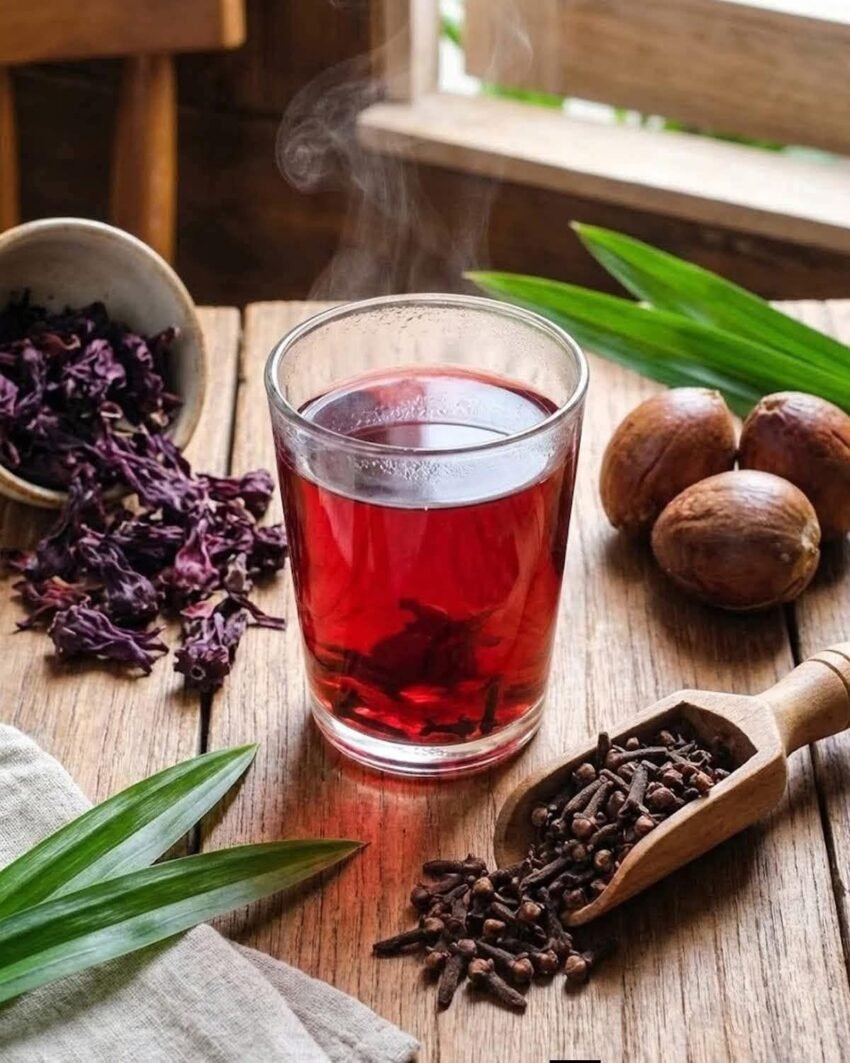
Here’s a clear, helpful guide to Hibiscus Tea—benefits, how to make it, and who should be careful 🌺🍵
🌺 Hibiscus Tea Benefits
1️⃣ Supports Healthy Blood Pressure
-
Well-studied for lowering systolic and diastolic BP
-
Comparable to some medications in mild cases
2️⃣ Rich in Antioxidants
-
Contains anthocyanins that fight inflammation and oxidative stress
3️⃣ Supports Heart Health
-
May help lower LDL (“bad”) cholesterol
-
Supports blood vessel health
4️⃣ Aids Digestion & Reduces Bloating
-
Mild diuretic effect
-
Helps with fluid retention
5️⃣ Weight Management Support
-
Low-calorie
-
May help reduce fat absorption slightly
6️⃣ Liver Support
-
Antioxidants may help reduce fatty liver changes (supportive, not a cure)
🍵 How to Make Hibiscus Tea
Hot Hibiscus Tea
Ingredients
-
1–2 tsp dried hibiscus flowers
-
1 cup hot water
Instructions
-
Steep hibiscus in hot water 5–10 minutes
-
Strain
-
Optional: add honey, cinnamon, or lemon
Iced Hibiscus Tea (Very Popular)
-
Brew double-strength tea
-
Let cool
-
Pour over ice
-
Add mint or orange slices if desired
⚠️ Who Should Be Careful
-
Low blood pressure
-
On blood pressure or diuretic medications
-
Pregnant or breastfeeding (best avoided)
-
Kidney stones (high oxalates in large amounts)
🕒 How Much to Drink
-
1–2 cups per day is considered safe for most adults
-
Avoid drinking right before bed (mild diuretic)
🌿 Flavor Tips
-
Naturally tart, cranberry-like taste
-
Balances well with:
-
Cinnamon
-
Ginger
-
Mint
-
Orange peel
-
Bottom Line
Hibiscus tea is refreshing, antioxidant-rich, and heart-supportive—but it’s not a miracle cure. Used regularly and safely, it can be a great addition to a healthy routine.
If you want, I can share:
-
A hibiscus fat-loss iced tea
-
A blood-pressure-friendly tea blend
-
How to sweeten without sugar
-
Best time of day to drink it