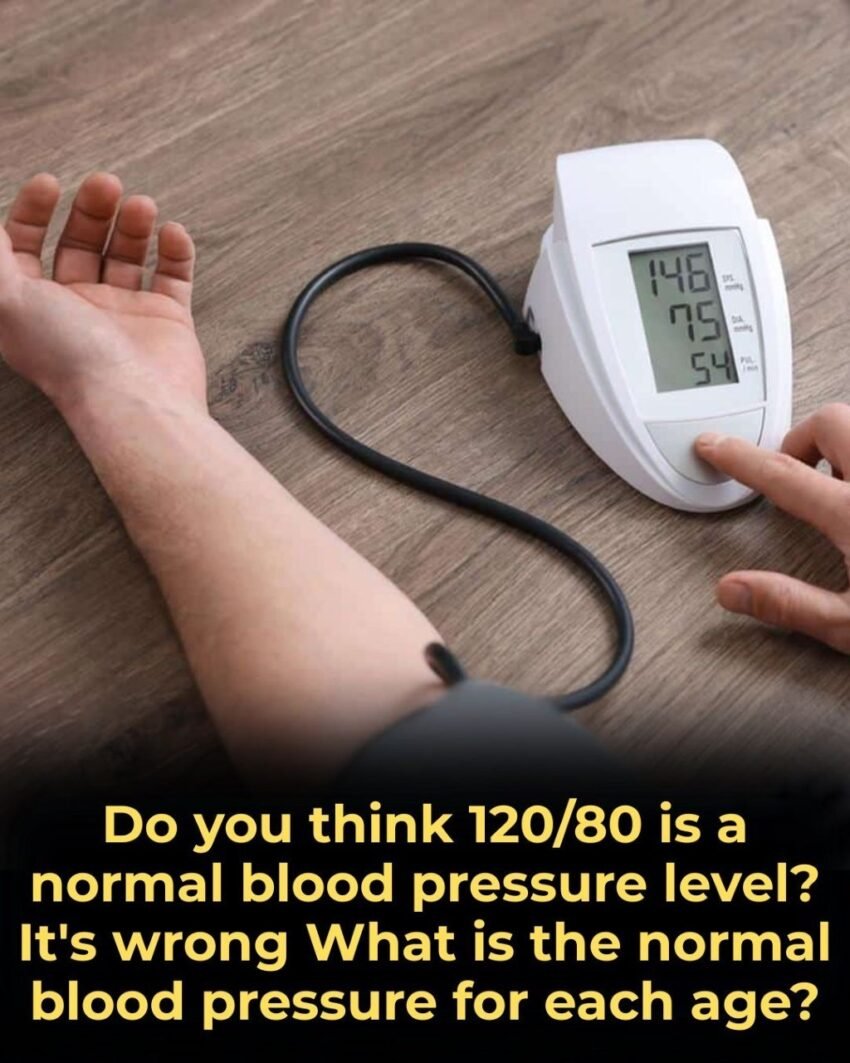
“Normal” blood pressure doesn’t change very much with age in adults — the general goal is still to stay in a healthy range. What does change slightly is what doctors consider typical or acceptable, especially in older adults.
Here’s a clear breakdown:
🧑 Adults (18+ years)
According to guidelines from organizations like the American Heart Association:
| Category | Systolic (Top #) | Diastolic (Bottom #) |
|---|---|---|
| Normal | Less than 120 | Less than 80 |
| Elevated | 120–129 | Less than 80 |
| High (Stage 1) | 130–139 | 80–89 |
| High (Stage 2) | 140+ | 90+ |
👉 For most healthy adults, the target is under 120/80 mmHg.
👶 Children & Teens (1–17 years)
For children, normal blood pressure depends on:
-
Age
-
Sex
-
Height
Doctors use percentile charts rather than one fixed number. Rough averages:
-
Toddlers (1–3 yrs): ~90–105 / 55–70
-
Children (4–12 yrs): ~95–115 / 60–75
-
Teens: ~105–120 / 65–80
If you want, tell me the child’s age and I can give a closer estimate.
👵 Older Adults (60–65+)
-
Many providers aim for under 130/80 if tolerated.
-
In frail adults, sometimes under 140/90 is acceptable to avoid dizziness or falls.
Age alone does not mean blood pressure should be high — higher numbers just become more common.
🚨 When to Seek Care
-
180/120 or higher = Hypertensive crisis → Seek immediate care
-
Repeated readings above 130/80 → Talk to your doctor
If you’d like, tell me:
-
Your age
-
Your recent blood pressure reading
-
Any symptoms (dizziness, headache, etc.)