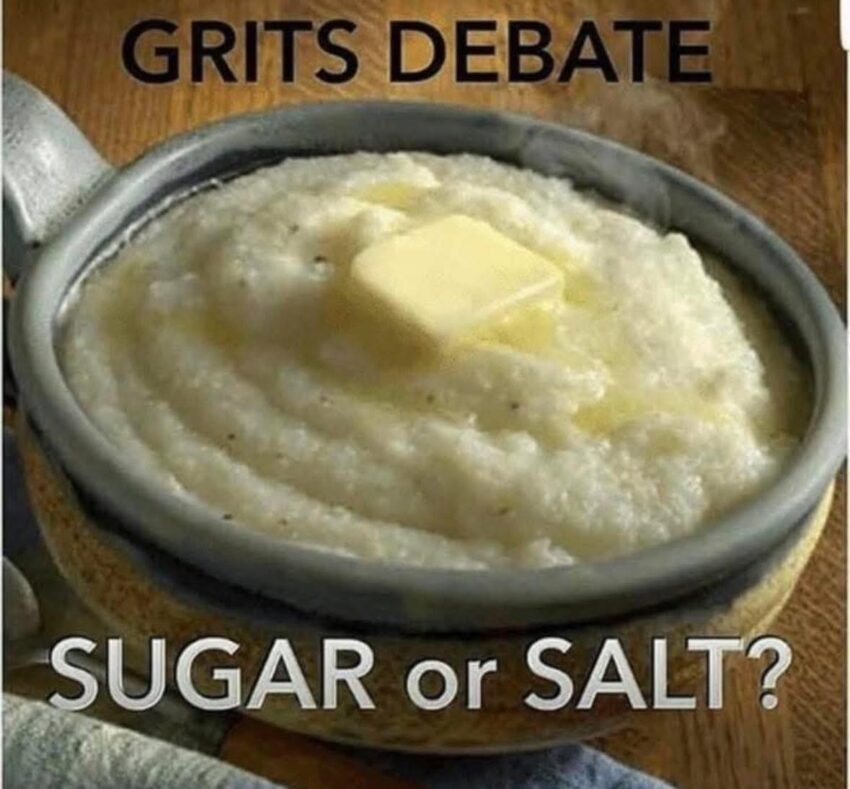
Ah, salt and pepper — the ultimate kitchen dynamic duo! 🧂⚫⚪ They’re simple, but they’re essential for flavoring almost everything. Here’s a breakdown of their uses, differences, and tips:
🧂 Salt
Types
-
Table salt – fine, often iodized, dissolves quickly.
-
Kosher salt – coarser, easy to pinch, great for seasoning meat.
-
Sea salt – from evaporated seawater, sometimes with minerals and flaky texture.
-
Himalayan pink salt – mineral-rich, slightly different flavor, mostly for finishing.
Uses
-
Enhances natural flavors of food
-
Balances sweetness and bitterness
-
Helps with brining and preserving
-
Improves texture in baked goods
Tips
-
Always taste as you go — too much salt can’t easily be fixed.
-
Use coarse salts for finishing, fine salts for cooking.
⚫ Pepper
Types
-
Black pepper – ground from unripe peppercorns, pungent and slightly spicy.
-
White pepper – ripe peppercorns with skin removed; milder, common in light sauces.
-
Green pepper – unripe, mild, often pickled or freeze-dried.
-
Pink peppercorns – not true pepper, mild and fruity.
Uses
-
Adds heat and depth
-
Balances flavors
-
Can be used fresh (cracked or ground) for maximum aroma
Tips
-
Grind black pepper fresh for the best flavor
-
Add early when cooking for a milder infusion, or at the end for a punchy finish
💡 Fun Fact
-
Salt is mostly about enhancing, pepper is mostly about adding character. Together, they’re the foundation of seasoning in almost every cuisine.
If you want, I can make a quick guide on how to season like a pro with just salt and pepper for meat, veggies, and eggs — it’s surprisingly powerful